Hungarian Wound Care Society
Archivum > Wound Healing BlogIntroductions or leads to the portal site's Hungarian blog posts in English

Niacin and Wound Healing
May 2, 2024
 A niacin derivative increases the risk of cardiovascular events, according to a study published in the journal Nature Medicine. According to OTSZonline's report on April 16, nutritional supplements made from the substance are advertised with the promise of anti-aging effects, alleviating arthritis and enhancing brain function, although none of these claims have been proven. A related compound, nicotinamide, is recommended for skin cancer prevention in high-risk patients; however, a recent study has challenged this claim. Does niacin, which consists of only 14 atoms and plays a role in more than 500 reactions in the body, and nicotinamide have anything to do with wound care and wound healing? - this is what the current blog post seeks to answer.
Hemophilia and Wound Healing
April 25, 2024
 April 17 is World Hemophilia Day. On this occasion, Weborvos.hu published a compilation about this rare, inherited and life-long blood coagulation disorder, of which written records have survived since the 2nd century, but the first, professional description of the disease was only published in the 19th century. This is a rare bleeding disorder of genetic origin, which is characterized by the absence, reduced quantity, or improper functioning of the factors necessary for blood clotting, so the blood cannot clot properly. There are two versions: "A" and "B". The article also mentions that even a minor wound or injury can cause severe bleeding for a hemophiliac patient, so there is no question that it has a connection with wound care and wound healing. I will go over what these are in this blog post.
Fusobacteria and Wound Healing
April 18, 2024
 Certain bacteria that are in our mouths can also be found in our large intestine, as they can cause damage to our entire body if they get into the bloodstream - Noklapja.hu reported on the warning of a British doctor on April 9. Neglecting oral hygiene can be the source of many diseases. One of them is Fusobacterium (Fusobacterium nucleatum), which uses a sugar-binding protein to stick to the tissues of polyps and tumors in the colon, for example, can cause colon cancer. Are these bacteria related to wound care and wound healing? – I am looking for the answer to this in the current blog post.
Meningococcus and Wound Healing
April 11, 2024
 The US health authorities have alerted doctors to a growing number of cases of a rare meningococcal infection affecting middle-aged adults in the country, which has a higher than usual mortality rate, CNN' s Penzcentrum.hu reported on April 2. The infection, caused by the bacterium Neisseria meningitidis, can cause meningitis (inflammation of the brain and spinal cord) and sepsis. Typical symptoms include fever, headache, stiff neck, sensitivity to light and nausea. However, many recent cases differ from these symptoms, for example, two-thirds of them had a bloodstream infection (fever, chills, dark purple rash). Whether there is a link between the bacteria or meningococcus and wound care is the question I am trying to answer in this blog post.
Bellflower and Wound Healing
April 4, 2024
 In an article published on 26 March, National Geographic reported a rather rare event. In Europe, in the foothills of the Italian Alps, in the dolomitic mountains of Lombardy, a bellflower of a hitherto unknown species was found. The article reveals that among alpine flowers, the bellflower (Campanula, from the Latin for "little bell") has the most endemic species (living only in a particular place). The variety now discovered north of Bergamo is called Campanula bergomensis. Does, or has, the bellflower played a role in wound management and healing? - This is the question I briefly seek to answer in this blog post.
Lady’s mantle and Wound Healing
March 28, 2024
 In it’s March 20th article Sokszínű Vidék listed several herbs that should not be missing from women's home pharmacies. One of them is lady’s mantle, which, like yarrow, can be used for various female ailments from the first period to the climax. During menopause, for example, it reduces sweating, has a good effect on hormone balance and relieves cramps. It can be used to prevent and alleviate ailments, but also for white discharge and uterine cramps. According to some sources, it’s tea also has a weak progesterone-producing effect. Can it also be used in wound treatment? – I am looking for the answer to this in the current blog post.
Microbiome and Wound Healing
March 21, 2024
 The state of the human microbiome shows a correlation with the speed of aging - Tudas.hu reported on the results of tests by Hungarian researchers. The microbiome (e.g. gut flora) changes as a result of various diseases and aging, yet its relationship with epigenetic aging clocks has been unknown until now. Domestic specialists undertook to find out. They found that among middle-aged and elderly people, accelerated aging was associated with increased gut flora diversity and lower levels of fitness, as well as poorer health. You can read more about their findings at the link above, and we will briefly review the relationship between the microbes that live with us, in us, on us, nourish and protect us (microbiota) and wound treatment - wound healing.
Saffron and Wound Healing
March 14, 2024
 Saffron is already in bloom, Agrotrend.hu reported in its article of 6 March. These tiny, now protected plants, which bloom in early autumn and spring, have been cultivated for thousands of years for their golden-yellow flowers, which contain both fragrant, medicinal and dyeing substances. But does it also have links to wound care and healing? - That's what I'm trying to answer in this blog post.
This brief overview shows that saffron speeds up wound healing, reduces inflammation and protects against bacteria. It is also highly nourishing and moisturising, helping to keep the skin healthy and supple.
Saffron is already in bloom, Agrotrend.hu reported in its article of 6 March. These tiny, now protected plants, which bloom in early autumn and spring, have been cultivated for thousands of years for their golden-yellow flowers, which contain both fragrant, medicinal and dyeing substances. But does it also have links to wound care and healing? - That's what I'm trying to answer in this blog post.
This brief overview shows that saffron speeds up wound healing, reduces inflammation and protects against bacteria. It is also highly nourishing and moisturising, helping to keep the skin healthy and supple.
Lifestyle and Wound Healing III.
March 7, 2024
 In my blog post two weeks ago, I started a "mini-series" on the relationship between lifestyle and wound management/healing. Presenting the European Wound Management Association's (EWMA) research on the topic, "The Impact of patient health and lifestyle factors on wound healing", which was launched in 2020 and is still ongoing, I addressed in the first one issues related to stress, sleep, smoking, alcohol, commonly used medications and illicit drug use, and in the second one physical activity and nutrition. Although the international authors of both (with some overlap) referred to a large number of sources (187 and 115 respectively), I decided to look at two more studies on the subject.
Lifestyle and Wound Healing II.
February 29, 2024
 In last week's blog post on Weborvos.hu, I explored the impact of lifestyle - the sum of our individual choices, habits and behaviours - on our health and healing, and began to explore the links to wound healing, in a blog post on the importance and impact of lifestyle factors on health. In addition to artificial intelligence, I have been helped by two articles published in the Journal of Wound Management, published by the European Wound Management Association (EWMA) in 2020, on the results of a study on the topic that is still ongoing:
1: Stress, sleep, smoking, alcohol, common medications and illicit drug use, 2. Physical activity and nutrition. In this blog post, I'll go into more detail on the latter.
In last week's blog post on Weborvos.hu, I explored the impact of lifestyle - the sum of our individual choices, habits and behaviours - on our health and healing, and began to explore the links to wound healing, in a blog post on the importance and impact of lifestyle factors on health. In addition to artificial intelligence, I have been helped by two articles published in the Journal of Wound Management, published by the European Wound Management Association (EWMA) in 2020, on the results of a study on the topic that is still ongoing:
1: Stress, sleep, smoking, alcohol, common medications and illicit drug use, 2. Physical activity and nutrition. In this blog post, I'll go into more detail on the latter.
Lifestyle and Wound Healing
February 22, 2024
 The health impact and importance of lifestyle factors in the treatment of lifestyle-related diseases (such as obesity, insulin resistance, hypertension, diabetes, heart disease, depression) is undisputed, Weborvos.hu reported on 13 February in connection with a lifestyle medicine conference. Among other things, the event also mentioned that 82% of the Hungarian population is physically inactive, or that obesity is responsible for 10-30% of all deaths. The importance of persuading and involving patients was highlighted, as well as the importance of medical role models. Is there, and if so, what impact does lifestyle have on wound healing - this is the question I am trying to answer in this blog post.
Vaseline and Wound Healing
February 15, 2024
 The TikTok trend promises pretty eyes, but it can cause serious infections - wrote Házipatika.com in late January. A video of a young girl was reported to have been released, showing many people applying Vaseline to the corners of their eyes, which is said to prevent them from watering in cold weather and keep make-up intact. Many experts have spoken out against this phenomenon, which can lead to blurred vision, eye irritation and even serious infections. Does Vaseline have a place in the wound care toolbox? - This is the question we are trying to answer in this week's post. Petrolatum (also known as soft paraffin or vaseline) is a hydrocarbon compound discovered by an American pharmacist, Robert Augustus Chesebrough.
Peppermint and Wound Healing
February 8, 2024
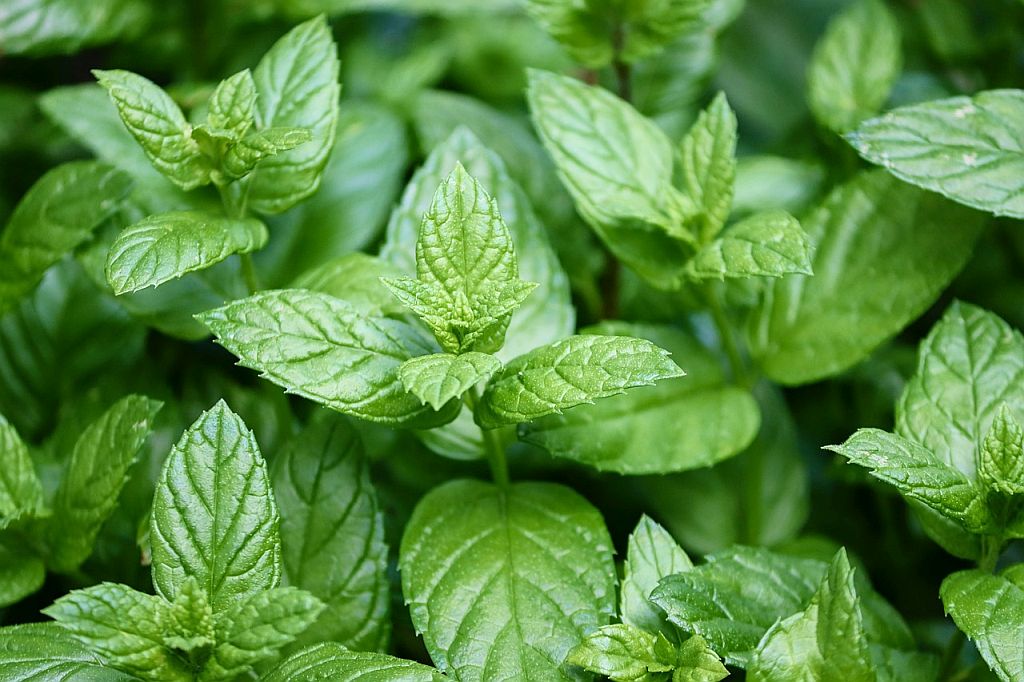 The Hungarian Pharmaceutical Society's Herbal Section has chosen peppermint as the herb of the year, according to several Hungarian media, including Tudas.hu. The Wound Management Blog has been following the relationship between these honoured plants and wound management and healing in a series of posts, starting with the 2013 winner, the milk thistle (Silybum marianum), and ending with the 2023 winner, the horse chestnut. So let's continue this tradition!
Syphilis and Wound Healing
February 1, 2024
 According to official data, the number of syphilis infections in Hungary has increased by 40% since 2018, Medicalonline.hu reported on 23 January.Referring to an article by Hvg360, the paper also said that the reasons for this include the lack of public screening and prevention, as well as the lack of sexual awareness among Hungarians. More than 30 different bacteria, viruses and parasites can be transmitted through sexual contact. Of these, eight are priority pathogens with a higher prevalence in the world. Of these, trichomoniasis, which is transmitted by parasites, and gonorrhoea, chlamydiasis and syphilis, which are caused by bacteria, are currently curable. The latter, and more specifically the relationship of syphilis to wound care, is briefly addressed in this blog post.
Acacias and Wound Healing
January 25, 2024
 The "Hungarian acacia", known as an Indian herb, came to us as an American colonial arrival, G7.hu wrote in its article of 7 January.The article tells the story of the spread of this tree species, native to the southeastern United States, in Europe and Hungary, and also that its reputation is controversial everywhere, as it is both invasive and useful. There is no mention of the relationship of the various species of acacia to human health, and in particular to wound care and healing. I will fill this 'gap' in this blog post. The combined use of 'real' and 'fake' acacia and other herbs can help to support wound healing effectively.
Flesh-eating Bacteria and Wound Healing
January 18, 2024
 The case of a 33-year-old family man who was attacked by a flesh-eating bacterium and died from the infection has been all over the national press. Although this may sound exotic at first, it is in fact a common illness, and such a tragic outcome requires an unfortunate combination of circumstances. What is peculiar is that it is a streptococcus infected with a virus called a bacteriophage, which has the property of breaking down tissue very quickly because it produces a specific enzyme that helps it to dissolve tissue. According to the expert consulted, it is always introduced into the body through wound infection, so if wound treatment is not timely or not done properly, it can have very serious consequences.
White Waterlily and Wound Healing
January 11, 2024
 The white waterlily was chosen as the Wild Flower of the Year in an online domestic election announced by the Wildlife Conservation Society and the Hungarian Biological Society - several domestic media outlets, including Turistamagazin.hu, reported on January 8. Nymphaea alba preceded candidates such as the water fern with a special lifestyle, the water sedge (Salvinia natans) and the large marsh sedum (Senecio paludosus). According to National Geographic, the plant mainly occurs in lakes and dead beds with muddy soil, but it also appears in slow-flowing waters. Its leaves and flowers grow out of water up to 3-4 meters deep and float on the surface of the water. Its leaves are 15-30 centimeters in diameter, bright green, round, ovate, their shoulders are deeply incised, and their edges are intact. Its flowers consist of 4-5 green sepals and 15-25 white petals, the flowers fall under the water after pollination. Is it related to wound care and wound healing? – I am looking for the answer to this in this week's blog post.
Trends in Wound Care
January 4, 2024
 The constant evolution of the healthcare industry and scientific advances in wound care are changing the way medicine and patient care is delivered every day. The science of wound care plays a vital role in this field, as wound management not only affects patient recovery, but also long-term outcomes and quality of life. The future of wound care science is closely intertwined with industry trends and market needs. Companies and research groups that are able to respond to the latest trends and incorporate them into their developments are likely to play a dominant role in wound management. Collaboration and a multidisciplinary approach will be key to the development and dissemination of successful future wound management methods.
Grape and Wound Healing
December 28, 2023
 How else can a blog about wound care and healing say goodbye to the old year and hello to the new one than by presenting a New Year's Eve tradition that is somehow related to its theme?! This year, after poinsettias, mistletoe, pine, alcohol and lentils, I have chosen grapes, as the article on Netspanyol.com says that, according to a related Spanish tradition, in the main square of every town and major city in Spain, a dedicated clock (la campanada) is played to mark the last seconds of the year. To the rhythm of 12 loud chimes, everyone puts a grape in their mouth, symbolizing the months of the new year and ensuring prosperity. In Mexico, every grape eaten is preceded by a wish, in the hope that it will come true in the coming year.
Garlic and Wound Healing
December 21, 2023
 According to an American senator, garlic is grown and processed in a way that is harmful to health in China, so the American authorities should investigate whether it could cause problems for the health of American citizens, Hvg.hu reported on December 12. According to the experts and the media, the situation is not so clear, yet the article provides enough reason to briefly review the connections between garlic (Allium sativum) and wound treatment in this post. Garlic belongs to the amaryllis family and is rich in biologically active compounds such as allicin, allin and ajoene. These compounds contribute to the herb's antibacterial, antiviral, and antifungal properties, which can help prevent wound infection and speed up the healing process.
The sources of the illustrations are listed in the respective article.
Menu
Tags
Share:




Follow us!: