Hungarian Wound Care Society
Archivum > Wound Healing BlogIntroductions or leads to the portal site's Hungarian blog posts in English

Casein and Wound Healing
August 3, 2023
 The protein in cow's milk improves wound healing, Technologynetworks.com reported on July 26. The article reported that researchers at University College London found that casein can be combined with biodegradable polyester to create bandage-like fibers, antimicrobial dressings that result in faster wound healing. In animal studies by Jubair Ahmed et al., casein-infused dressings significantly (5.2%) reduced wound size after 14 days compared to standard dressings (31.1%) and untreated wounds (45.6%), suggesting that it is cost-effective may be an antimicrobial alternative to expensive dressings such as those containing silver. We therefore dedicate this week's blog post to the relationship between casein and wound care!
Probiotics and Wound Healing
July 27, 2023
 Experts drew attention to the fact that it is essential to investigate the safety of probiotics, especially among vulnerable populations (e.g. newborns, pregnant women, immunocompromised patients), OTSZ Online reported on July 13. The researchers of the International Scientific Association for Probiotics and Prebiotics have found that understanding the complete genetic structure of probiotics is the cornerstone of safety evaluation, and the long-term safety evaluation of probiotics must be in line with the current regulatory requirements for biological drugs, and cannot be stricter than them. Despite the side effects of their consumption, research is needed to eliminate the deficiencies. Areas to be investigated in the future should therefore include areas such as the possibility of antibiotic resistance gene transfer through transformation, the possible effect of microbiome changes induced by probiotics, and drug interactions. The area "examined" by the Wound Healing Blog is, by definition, the topic of wound care, so in the context of this article, this week we will briefly review the connection between probiotics and wound healing.
Oxymel and Wound Healing
July 20, 2023
 The use of oxymel ("vinegar-honey"), an ancient remedy, shows applicability in modern wound treatment, News-medical.net reported on July 12. According to the article by Freya Harrison (Coventry, UK) et al., published in the journal Microbiology, researchers looked at the effects of combining two medical-grade honey ointments with natural vinegar or acetic acid. They wanted to find out how effective the treatment was at killing microbes and which combination worked best. They also wondered whether vinegar itself is more antibacterial than acetic acid. It was found that the antibacterial activity of some vinegars exceeds that predicted by their acetic acid content alone, but this depends on the tested bacterial species and the growth conditions (type of nutrient medium, plankton vs. biofilm). Pomegranate vinegar may be of particular interest for further study. They concluded that acetic acid and some vinegars may have synergistic antibiofilm activity with manuka honey.
Tick and Wound Healing
July 13, 2023
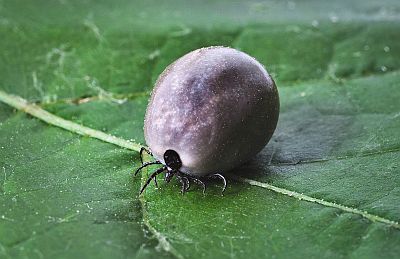 In an article on July 3, Weborvos.hu, relying on the head of the central emergency department of the Helios Clinic in Rottweil, dispels several myths about ticks. They don't bite, they don't have to be removed with a twisting motion, not necessarily only ticks in risk areas are dangerous, and if their head breaks off, the wound becomes infected. We also know that in dermatological practice, neuropathic complications can be observed in patients with diabetes, alcoholics, and more and more frequently with Lyme disease (Klára Gyurcsovics, 2005). In this week's blog post, let's take a brief look at whether ticks and Lyme disease are related to the topic of the MSKT.hu portal!
Aspartame and Wound Healing
July 6, 2023
 The WHO may label one of the most popular sweeteners as carcinogenic, several domestic media, including Qubit.hu, reported on June 29, referring to Reuters information. Although comprehensive research reviewed by the world's largest food safety agencies (including the US FDA and the European EFSA) found no connection between the substance in question, the consumption of aspartame and the development of cancer, the UN World Health Organization's Division of Cancer Research (IARC) is expected to classifies the sweetener as potentially carcinogenic. The International Sweeteners Association (ISA), which includes the two largest cola manufacturers and the best-known chewing gum brands, naturally expressed concerns and reservations about the IARC review. Let's briefly review whether the contents of the introduction have anything to do with the topic of wound treatment - wound healing!
Periplocin and Wound Healing
June 29, 2023
 In last week's blog post, based on Qubit.hu's coverage, I wrote about the study in which Vanessa Smer-Barreto (Edinburgh, United Kingdom) and her colleagues reported that, using artificial intelligence and machine learning algorithms, they managed to identify 3 compounds that can help in the removal of dead cells, and thus the harmful effects of the accumulation of aged cells can be reduced. In that post, I briefly reviewed the use of one of the three, ginkgetin, found in the leaves and seeds of the ginkgo biloba tree, in wound treatment, with the prospect of continuing the series with periplocin. Now is the time for this!
Ginkgo Biloba and Wound Healing
June 22, 2023
 Using artificial intelligence and machine learning algorithms, it was possible to identify 3 compounds that can help in the removal of dead cells, thereby reducing the harmful effects of the accumulation of senescent cells - Qubit.hu reported on June 15. The source New Atlas article also reveals that cellular aging and an increase in the number of senescent cells can be linked to diseases such as cancer, Alzheimer's disease, or vision impairment and loss of motor function. The compounds in question are periplocin, oleandrin, and ginkgetin, the latter of which I chose this week to see if ginkgo biloba, and specifically this component, has any connection to wound healing.
Insulin and Wound Healing
June 15, 2023
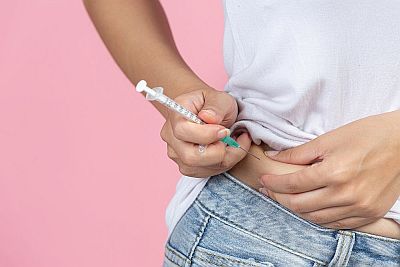 Skin reactions caused by devices that facilitate the treatment of diabetes can affect patients' adherence and quality of life, OTSZ Online wrote on June 2. According to the article, the advanced technologies used in the treatment of diabetes can be divided into three main categories: continuous glucose monitoring (CGM) devices worn by patients; continuous subcutaneous insulin infusion (CSII) devices are connected to the patient's body through an infusion set (now available as a patch pump without a set), so they are connected directly to the skin through a catheter, and finally glucose-responsive insulin delivery systems, which combine the characteristics of the other two types of devices, i.e. glucose sensing directs insulin delivery. Let's take the last one out of this, and this week let's take a brief look at the relationship between insulin (from the Latin word insula = island) and wound care - wound healing.
Melatonin and Wound Healing
June 1, 2023
 An international research investigated whether melatonin reduces the risk of self-harm - Pharmaonline.hu reported on May 24. Sleep disorders in young people have been linked to an increased risk of injury, including suicide. Now Marica Leone (Solna, Sweden) and her colleagues found in their cohort study that melatonin, a hormone produced by the pineal gland only at night, responsible for regulating the sleep-wake cycle, can reduce the risk of self-harm with psychiatric comorbidities, especially sleep disorders related to anxiety and depression. as a result of treatment. Is there a connection between melatonin (MT) and wound treatment and healing? – this is what we are dealing with in this blog post.
Indocyanine Green and Wound Healing
May 25, 2023
 It seems that they have found an antidote to the toxin of the world's most poisonous mushroom, Weborvos.hu reported on May 17, referring to the online edition of the British daily The Guardian. The most potent toxin in Amanita phalloides (deadly amanita) is a peptide called alpha-amanitin, a type of amatoxin that causes liver and kidney failure. Chinese and Australian researchers have now found that a dye called indocyanine green (ICG) blocks its toxic effects. In addition, the drug increased the probability of survival after poisoning. Are there connections between ICG, used in medical imaging in the United States, and wound care? We are looking for an answer to this question in this blog post.
Dapagliflozin and Wound Healing
May 18, 2023
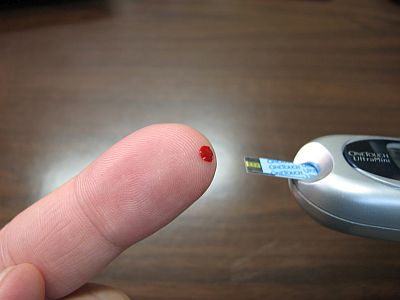 For nearly three decades, the Hungarian Society for Experimental and Clinical Pharmacology has been honoring the most modern preparations that help patients in our country to access modern therapeutic options. The prestigious professional recognition this year was won by AstraZeneca's (headquarters in Cambridge, United Kingdom) dapagliflozin drug, which can improve the survival chances and quality of life of people affected by diabetes, heart failure and chronic kidney disease - the decision was reported on May 11 by several domestic media, including, for example, Weborvos.hu. The product is a complex therapeutic method for patients suffering from any of the three endemic diseases. Medicine has these approved indications in more than 100 countries of the world. Can it also be used to help wound healing? – I am looking for the answer to this in the current blog post.
Lanolin and Wound Healing
May 11, 2023
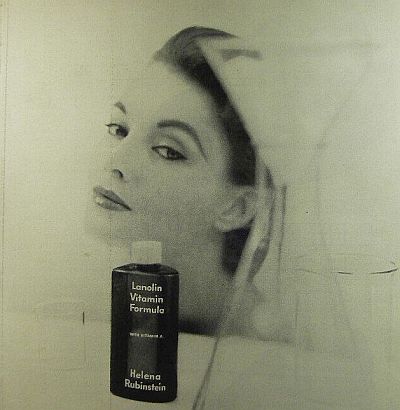 After aluminum in 2022, the American Contact Dermatitis Society, founded in 1989, chose lanolin as the contact allergen of the year 2023, Pharmaonline.hu reported. They also described in their article that lanolin, known primarily for its emollient properties, is a complex mixture of high molecular weight esters, aliphatic alcohols, sterols, fatty acids, and hydrocarbons that has been widely used for centuries for its emollient properties. It can be found, for example, among the ingredients of greasy hand creams, body lotions recommended for dry skin, foot and lip care, medicated creams against skin rashes, dusting powders, special soaps and moisturizing creams, but lanolin shaving cream is also often used by baseball players, for example, to soften their gloves. It forms a waterproof layer on the surface of the skin and helps lipids work. Does it also help the work of wound care specialists as well? - this is what our blog post for this week is about.
Resveratrol and Wound Healing
May 4, 2023
 A company operating a slaughterhouse at the Felgyő windmill, built in 1886, has developed a line of meat products containing complex herbal extracts - Telex.hu reported on MTI. The products contain natural flavor correctors instead of artificial ones - essential oils, cumin, bay leaf, coriander, white pepper - and their unique ingredient, resveratrol, increases the elasticity of the blood vessel walls. According to the article, the antioxidant compound belonging to polyphenols also improves the shelf life of products. Can it also be used in wound healing? - this is what my blog post for this week is about.
Jatropha and Wound Healing
April 27, 2023
 Last week, a list of ten tempting, yet poisonous fruits and plants was published on 24.hu. The author's ranking is led by the manchineel tree, completely unknown at us, which is dangerous even to touch, while the jatropha is in second place. All parts of the plant, which can be found in many varieties in our country, such as the coralbush (Jatropha multifida) or the gout plant (J. podagrica), but especially the fruit, are highly toxic, and consumption leads to a burning throat, abdominal pain, and severe vomiting. The consequence of poisoning can be dehydration, collapsed circulation, damaged nervous system, but in the case of untreated patients, it can even lead to death. The article encourages readers to rank the plants and me to see if there is a connection to wound care and wound healing.
Histamine and Wound Healing
April 20, 2023
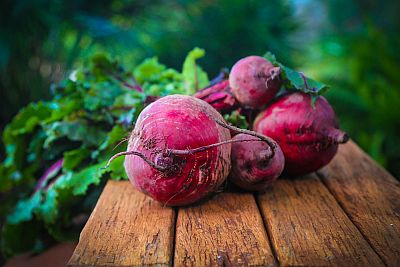 On April 15, Qubit.hu presented beetroot (Beta vulgaris), which was included in the list of the ten most hated foods in a 2008 American survey. The favorite of the Greek goddess of love and beauty, Aphorodite, is nowadays considered a functional food, even a superfood: it contains many vitamins (A, B, C), boron, iron, potassium, folic acid and betaine, and has a high fiber content. The ancients also highly valued it as a medicine, its leaves, tuber, decoction made from it, and even the ashes of the burnt root were used for many indications. In addition to its many physiological effects, the article also mentions that the Greeks used its leaves for wound healing, for example. What does modern science think about this? – this is what our current blog post deals with.
Histamine and Wound Healing
April 13, 2023
 In recent years, the number of people who are forced to follow a strict diet due to a diagnosis of histamine intolerance has increased by leaps and bounds - Weborvos.hu took over the article from the Semmelweis University portal. The review also points out that there is currently no mature diagnostic method available to confirm the existence of the disease. Histamine itself (the name derives from the combination of the Greek words histos (ιστός = tissue) and ammonia) is a natural substance produced in the immune cells of our body, which participates in physiological processes during allergic reactions, and which enters the body with certain foods, for the breakdown of which the diamino- an enzyme called oxidase (DAO) is responsible. If its functioning is inhibited or incomplete for some reason, the breakdown of histamine slows down in the body and may cause allergy-like symptoms, such as runny nose, nasal congestion, hives, eczema, itching. Many plants and animals also contain histamines. It is also found in some insecticides. Does it also play a role in wound healing? – we are looking for the answer to this in the current blog post.
Viagra and Wound Healing
April 6, 2023
 Twenty-five years ago, on March 27, 1998, the distribution of one of the world's best-known drugs, Viagra, the first effective product for the treatment of erectile dysfunction in pill form, was authorized in the USA. Several domestic media also commemorated the anniversary. Házipatika.com also wrote, for example, that sildenafil's "career" began in 1985 in Sandwich, England, where researchers from the pharmaceutical company Pfizer were looking for a cure for cardiovascular diseases, including coronary artery spasm. During the tests, it did not prove to be effective enough for this indication, however, the effect of the agent on erection was recorded in the reports from the very beginning. Its name was created from the combination of the words vigour (life force) and Niagara. It was also registered in Hungary in 1998, and was put on the market the following year. It shows its beneficial effects in many areas, it can be used to alleviate the symptoms of mountain diseases as well as to keep cut flowers fresh. And in wound care? - this is what the current blog post seeks to answer.
Trichlorethylene and Wound Healing
March 30, 2023
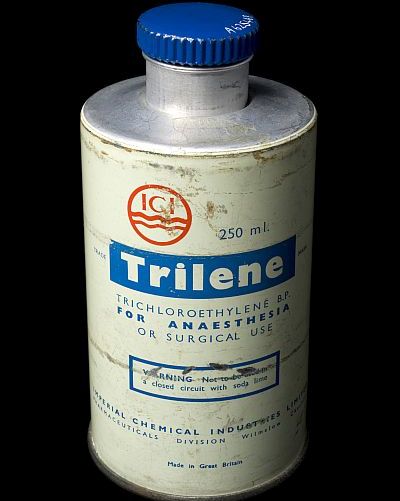 The common solvent can cause Parkinson's disease - Index.hu reported on an article published in the Journal of Parkinson's Disease on March 22. It is a non-flammable, colorless liquid with a characteristic odor called trichlorethylene, which was used as an anesthetic from the 1930s to the 1970s. TCE is used in the food industry to produce vegetable oils, decaffeinate coffee, and extract flavorings, but it is also used for cleaning clothes, degreasing parts, in rockets, and as a filler in refrigeration equipment. It occurs in paint removers, adhesives, bug fixes, stain removers, furniture cleaners, or car care supplies. And in wound care? - this is what our blog post for this week is about. According to AI ChatGPT, exposure to TCE can cause adverse health effects, including skin irritation, dermatitis, respiratory problems and cancer. This exposure affects various aspects of wound healing, including inflammation, angiogenesis, and extracellular matrix (ECM) synthesis.
Sucralose and Wound Healing
March 25, 2023
 Sucralose promises to treat autoimmune diseases, Qubit.hu reported on March 15. Looking at an article published on Nature.com, they write that the sweetener found in many foods can dampen the acquired T-cell immune response in very high doses, and for this reason it may be used in the future in the therapy of some autoimmune diseases. During their animal experiments, Fabio Zani (London, United Kingdom) and his colleagues found that the molecule, which was previously thought to have a neutral effect, affected the adaptive immune system of experimental mice in an unexpected way, in addition to the amount available with a normal diet. What is this substance and how is it related to wound care and wound healing? – we are looking for the answer to this in the current blog post.
Asthma and Wound Healing
March 16, 2023
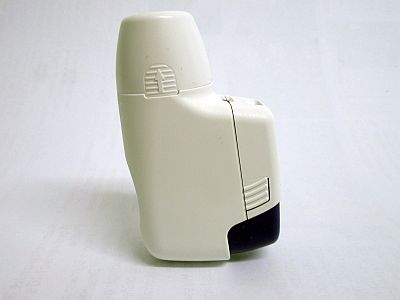 Asthmatics have twice the chance of developing reflux, Weborvos.hu wrote on March 7. Asthma (from the Greek ἅσθμα, ásthma, "panting"), which affects about 300,000 registered people in Hungary alone, causes chest tightness, coughing and difficulty breathing, while reflux causes a burning sensation and pressure in the chest, as well as unpleasant symptoms felt in the pharynx, and can also cause a sore throat. It happens that the patient experiences this as if he has trouble breathing. So there is an overlap between the symptoms. What should we pay attention to when treating chronic or acute wounds of an asthmatic patient? This is what our blog post for this week seeks to answer.
Pulmonary fibrosis and Wound Healing
March 9, 2023
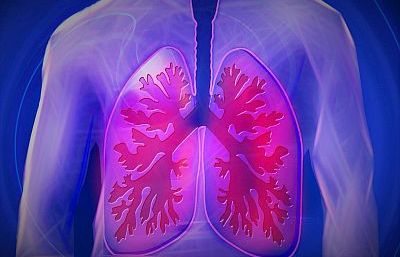 At the end of February this year, we celebrated International Rare Disease Day. Such diseases affect at most one in two thousand people, and currently there are 6-8 thousand such diseases. 27-36 million people are affected in Europe and more than 700 thousand people in Hungary. Weborvos.hu commemorated World Day with, among other things, an article about pulmonary fibrosis, during which the lungs become inflexible and stiff because the tissues begin to scar. The fingers can be deformed, causing shortness of breath and suffocation, which makes each breath a serious challenge. There is currently no known cure, appropriate therapy can slow down the progression of the disease, scarring of the lungs, help treat symptoms and improve patients' quality of life. Scarring is not an unknown concept in wound treatment, so the question is rightly raised, is there a connection between pulmonary fibrosis and wound healing?
Chemotherapy and Wound Healing
March 2, 2023
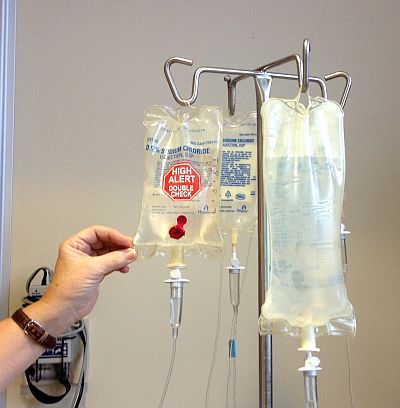 Employees of the Institute of Organic Chemistry of the ELKH Natural Science Research Center (TTK) have identified water-soluble blocking groups that can be cleaved with green, orange or red light, which enable the clinical application of photoactivatable chemotherapy - Medicalonline.hu reported on February 18. The publication in the Journal of the American Chemical Society also reveals that light-activated chemotherapy is based on the use of groups that chemically temporarily block the activity of active substances. Irradiating them with light triggers the release of the active ingredient, which makes it active again. The transfer of the procedure into medical practice was solved by the Hungarian specialists, who thus ensured the topic of this week's blog post: how is chemotherapy related to wound treatment and wound healing?
The sources of the illustrations are listed in the respective article.
Menu
Tags
Share:




Follow us!: